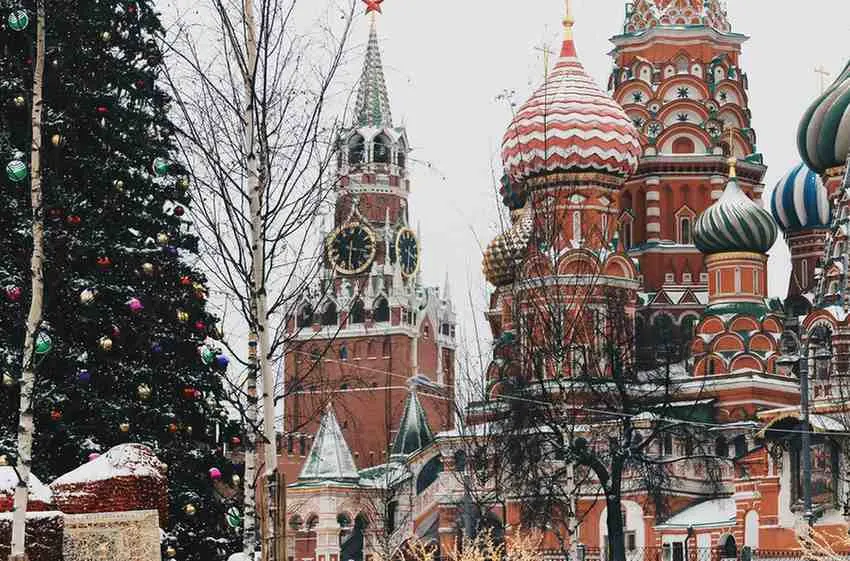
Best Time to Visit Poland: I’ll never forget my first Polish winter. I arrived in Kraków in December to find the Main Market Square transformed into a Christmas fairy tale – wooden stalls selling grilled oscypek cheese, the smell of mulled wine and gingerbread hanging in the air, and horse-drawn carriages clip-clopping on cobblestones. But what I remember most was the cold – a damp, bone-chilling cold that seeped through my inadequate jacket and had me ducking into milk bars every hour for warm pierogi and hot beetroot soup.
That First Winter Shock
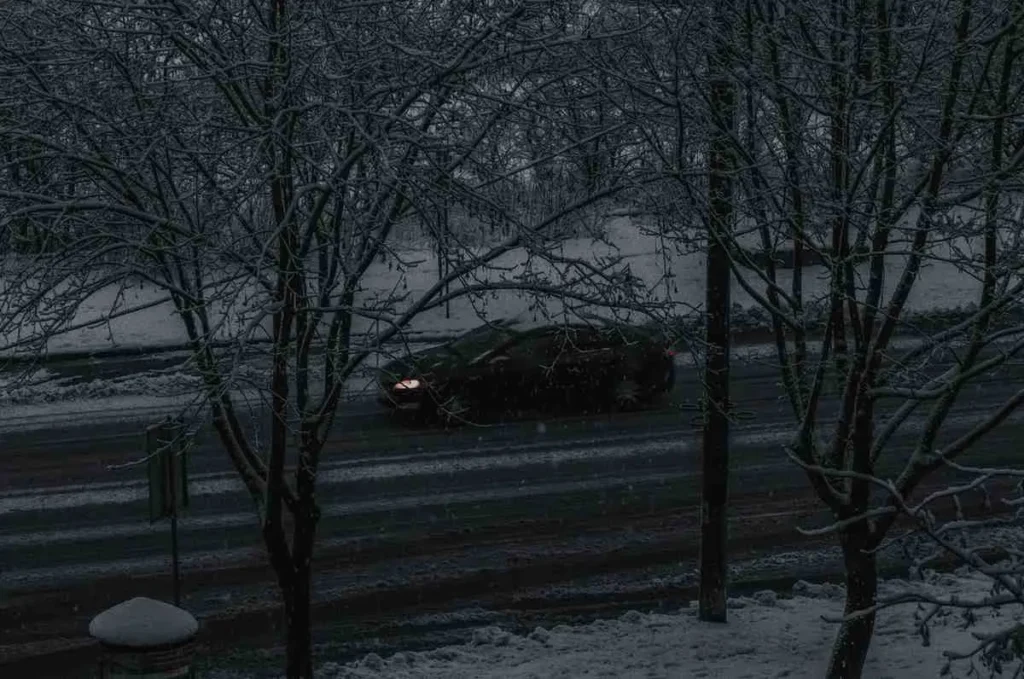
“You are English, yes?” chuckled the elderly woman serving me at Bar Górnik. “Your coat is for English winter. Polish winter is… stronger.” She was right. I spent my first afternoon buying a proper down coat and thermal boots, learning the first rule of Poland: respect the seasons.
Winter’s Frozen Magic (December – February)
The Christmas Transformation
From early December, Poland becomes a winter wonderland. I returned to Kraków’s market every evening, drawn by the carol singers and the warmth of human connection against the cold. The traditional szopki (nativity scenes) competition left me marveling at intricate paper castles glowing against the snow.
The Reality of January
After the Christmas lights come down, true winter sets in. I visited Warsaw in January when temperatures dropped to -15°C. The Vistula River froze solid, and locals set up impromptu ice skating rinks. Life moves underground to warm metro stations and steaming milk bars.
February’s Slow Thaw
By February, you can feel the change coming. I was in Wrocław when the first snowdrops appeared, their brave green shoots pushing through dirty snow. The days grow longer, and cafes start putting chairs outside on sunny afternoons.
Spring’s Unpredictable Beauty (March – May)
When Poland Greens Overnight
There’s a week in April when spring arrives suddenly. I was cycling near Kazimierz Dolny when the apple orchards exploded into blossom almost overnight. The air filled with the scent of fresh grass and flowering trees.
The Easter Explosion
Polish Easter is a celebration of spring itself. I was adopted by a Kraków family who taught me to make traditional mazurek cakes and blessed food baskets at the ancient St. Mary’s Basilica. The Easter Monday Śmigus-Dyngus water tradition left me drenched but laughing.
May’s Perfect Balance
May might be Poland’s best-kept secret. I had the Wieliczka Salt Mine almost to myself on a weekday morning, then sunbathed in Planty Park wearing short sleeves in the afternoon. The lilacs bloom with such intensity they perfume entire city blocks.
Summer’s Golden Days (June – August)
The Baltic Coast Escape
When Warsaw swelters in July, Poles head north. I joined the migration to Gdańsk, where the Baltic Sea breeze provides perfect relief. The long evenings last until 10 PM, perfect for strolling along Sopot’s wooden pier with an ice cream.
Festival Season
Summer is when Poland celebrates. I accidentally stumbled upon the Wianki festival in Kraków, where thousands float flower wreaths down the Vistula River. In August, I got caught in Warsaw’s Uprising commemorations – the entire city stopping at 5 PM for sirens and remembrance.
The Mountain Alternative
While cities bake, the Tatra Mountains offer cool refuge. I hiked to Morskie Oko lake in July, swimming in water so cold it took my breath away, then warming up with grilled kielbasa at a mountain shelter.
Autumn’s Golden Glory (September – November)
The Harvest Season
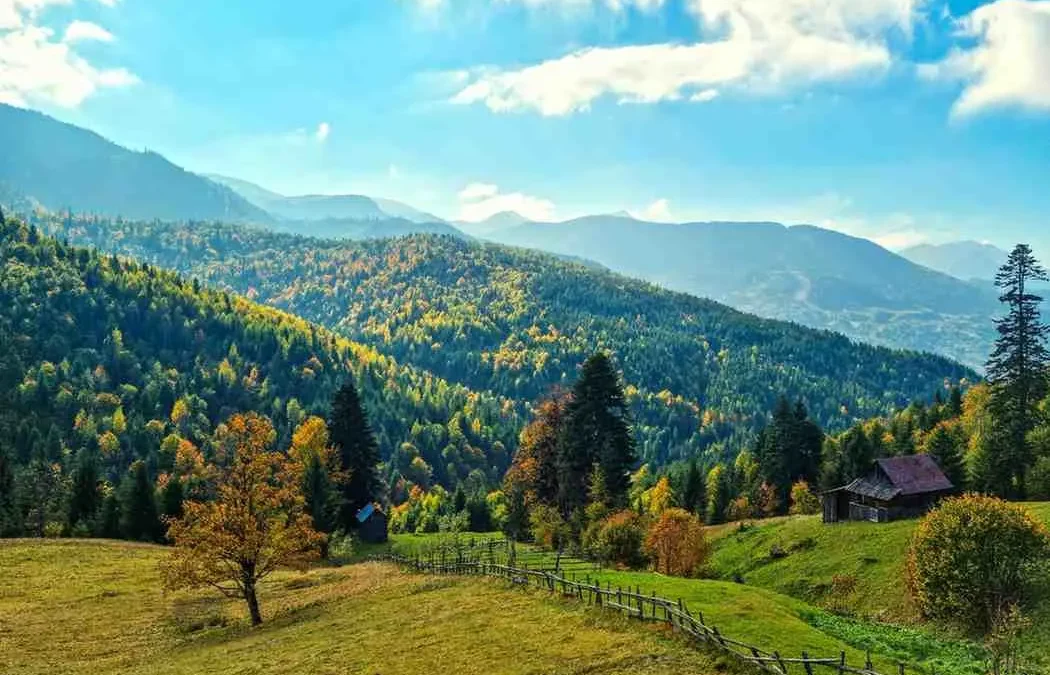
September is when Poland shows its agricultural heart. I helped with apple harvest near Lublin, then learned to make traditional plum jam. The markets overflow with mushrooms foraged from ancient forests.
The Light That Changes Everything
There’s a quality to October light in Poland that makes everything glow. I photographed Warsaw’s Old Town at golden hour, the brick walls looking like they’d been dipped in honey. The parks become carpets of crimson and gold.
The Great Migration
By November, the tourist crowds have gone home. I had the Auschwitz-Birkenau memorial site to myself on a foggy morning, the silence more powerful than any guided tour. Locals reclaim their cities, and life moves back indoors to cozy pubs and theaters.
Regional Variations That Matter
Southern Mountains (Kraków, Zakopane)
- Coldest winters with heavy snow
- Cool summer escape
- Most dramatic seasonal changes
- Highest tourist concentration
Baltic Coast (Gdańsk, Szczecin)
- Milder winters but windy
- Crowded summer resorts
- Beautiful autumn storms
- Spring arrives later
Eastern Borders (Lublin, Białystok)
- Most extreme temperatures
- Least touristy
- Traditional farming rhythms
- Cheaper accommodations
Central Poland (Warsaw, Łódź)
- Urban heat island effect
- Best cultural events year-round
- Good public transport
- Most international amenities
Monthly Breakdown: What to Really Expect
December – February
- Christmas markets then deep winter
- Short days (sunset around 3:30 PM)
- Indoor cultural season
- Lowest prices after New Year
March – May
- Unpredictable weather (snow or sunshine)
- Easter celebrations
- Nature awakens suddenly
- Shoulder season prices
June – August
- Long days and warm weather
- Peak tourist season
- Festival madness
- Highest prices
September – November
- Harvest festivals
- Crowds disperse
- Beautiful foliage
- Cultural season begins
Cultural Calendar Considerations
Religious Holidays
Poland’s Catholic traditions shape the year. I learned to avoid travel during Easter and Christmas when the entire country moves between family homes.
Music and Arts
The Chopin concerts in Warsaw’s Łazienki Park (May-September) are magical. The Jewish Culture Festival in Kraków (June/July) transforms the Kazimierz district.
Historical Commemorations
August’s Warsaw Uprising memorials bring the city to a standstill. November’s Independence Day celebrations fill streets with flags and patriotism.
Practical Tips from My Mistakes

Transportation
- Winter trains can be delayed by snow
- Summer requires booking in advance
- Regional buses reach hidden gems
- Bike-sharing perfect for spring/autumn
Accommodation
- Book months ahead for summer
- Winter offers great deals
- Agritourism farms best in harvest season
- City apartments cheaper on weekends
What to Pack
- Layers are essential year-round
- Waterproof shoes for spring/autumn
- Swimwear for Baltic summer
- Formal clothes for culture events
Making Your Choice
If you want winter magic and Christmas markets, visit December. For perfect weather and festivals, choose June-August. If you prefer fewer crowds and golden landscapes, September-October is ideal. For the cheapest prices and authentic local life, try January-February.
But here’s what I’ve learned after multiple visits: Poland will capture your heart no matter when you come. Some of my best memories came from unexpected moments – getting caught in a spring hailstorm that led to sharing tea with strangers, or a canceled train that resulted in discovering a hidden wooden church in the countryside.
Poland teaches you that there’s beauty in every season – you just need to know where to look. So don’t stress too much about perfect timing. Come with warm clothes and an open heart, and let Poland reveal its secrets in its own time.